RNA purification is an essential step in many molecular biology workflows, including RT-qPCR, RNA sequencing, gene expression analysis, and other RNA-based applications. Because RNA is highly susceptible to degradation and contamination, a well-controlled RNA purification protocol is critical for obtaining high-quality RNA suitable for downstream analysis.
A typical RNA purification workflow consists of four main stages: sample lysis, RNA binding, washing, and elution. Depending on the sample type and purification method, additional steps such as DNase treatment may be required to remove genomic DNA contamination.
This guide outlines the key steps of an RNA purification protocol, common sources of error, sample-specific considerations, and quality control methods for evaluating purified RNA.
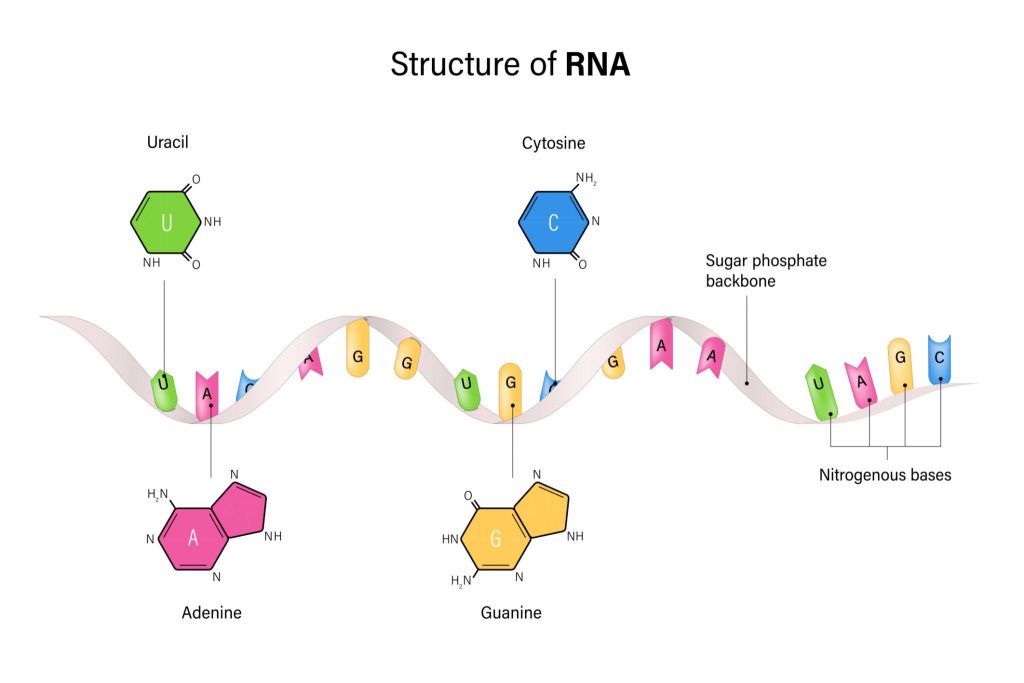
RNA Purification Workflow at a Glance
A standard column-based RNA purification workflow generally follows these steps:
Sample Collection → Sample Lysis → RNA Binding → Washing → DNase Treatment (if required) → RNA Elution → Quality Control
The specific reagents, volumes, and conditions may vary depending on the purification kit, sample type, and downstream application. However, maintaining RNase-free conditions throughout the workflow is essential for protecting RNA integrity.
Step-by-Step RNA Purification Protocol
Step 1: Sample Lysis
The first step of an RNA purification protocol is efficient disruption of the biological sample and rapid inactivation of endogenous RNases.
For cultured cells, the sample is typically collected and lysed using an appropriate RNA lysis buffer. Tissue samples generally require more thorough mechanical disruption to ensure complete lysis and homogenization.
The main objectives of the lysis step are to:
- Disrupt cells and release RNA
- Inactivate endogenous RNases
- Homogenize the sample
- Minimize RNA degradation during subsequent purification steps
For tissue or difficult-to-lyse samples, incomplete homogenization can result in reduced RNA recovery and increased sample-to-sample variation.
Step 2: RNA Binding
After lysis, the lysate is processed under conditions that allow RNA to bind to the purification matrix.
In silica-based purification systems, the lysate is usually mixed with appropriate binding reagents before being transferred to the purification column. Under the recommended binding conditions, RNA binds to the silica membrane while many contaminants remain in the flow-through.
The efficiency of RNA binding can be affected by:
- Sample input amount
- Lysate viscosity
- Binding buffer composition
- Sample homogenization
- Column capacity
Overloading the purification column can reduce RNA recovery and may negatively affect RNA purity.
Step 3: Washing
After RNA binding, one or more washing steps are performed to remove proteins, salts, genomic DNA, and other contaminants.
This step is particularly important because residual salts or organic compounds can interfere with downstream enzymatic reactions, including reverse transcription and PCR.
When performing the washing step:
- Use the recommended wash buffer and volume.
- Ensure that the purification membrane is adequately exposed to the wash buffer.
- Avoid disturbing the membrane during handling.
- Perform the recommended centrifugation or filtration step.
- Remove residual wash solution before elution.
Incomplete removal of wash buffer can affect RNA purity and downstream enzymatic reactions.
Step 4: DNase Treatment
Genomic DNA contamination can be a concern when purified RNA is used for RT-qPCR, RNA sequencing, or gene expression analysis.
DNase I treatment can be incorporated into the RNA purification workflow to digest residual DNA.
Depending on the purification system, DNase treatment may be performed:
- On-column, during the purification process; or
- After RNA elution, as a separate treatment step.
The appropriate approach depends on the purification kit and downstream application.
For RNA samples intended for sensitive gene expression analysis, DNase treatment can help reduce DNA-derived signals and improve the reliability of RNA-based measurements.
When required by the workflow, DNase treatment should be followed by an appropriate RNA purification or DNase removal step. Residual DNase or reaction components may otherwise interfere with downstream applications.
For DNA removal workflows, RNase-free DNase I can be used to digest contaminating DNA while minimizing the risk of introducing additional RNase contamination.
Step 5: RNA Elution
After washing, purified RNA is recovered from the purification matrix using an appropriate elution solution.
Depending on the downstream application, RNA may be eluted using:
- RNase-free water
- Low-salt elution buffer
- Another validated RNA-compatible solution
The elution volume can affect the final RNA concentration. A smaller elution volume generally produces a more concentrated RNA preparation, while a larger volume may improve total RNA recovery depending on the purification system.
After elution, RNA should be handled and stored under conditions appropriate for the intended downstream application. Unnecessary freeze-thaw cycles should be minimized.
Step 6: RNA Quality Control
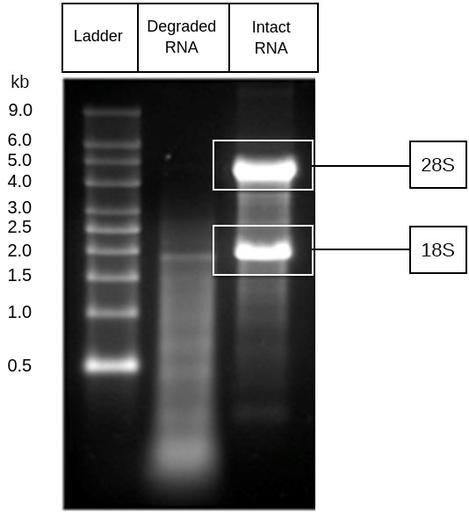
RNA quality should be evaluated after purification and before proceeding to downstream applications.
Several parameters can be assessed, including RNA concentration, purity, and integrity.
RNA Concentration
RNA concentration can be measured using spectrophotometric or fluorescence-based methods.
However, RNA concentration alone does not indicate whether the sample is sufficiently pure or intact.
A260/A280 Ratio
The A260/A280 ratio is commonly used as an indicator of protein-related contamination.
For relatively pure RNA preparations, an A260/A280 ratio around 2.0 is generally considered typical, although the measured value can vary depending on the sample and measurement method.
A260/A230 Ratio
The A260/A230 ratio provides additional information about potential contamination from substances such as salts, phenol, or other organic compounds.
A lower-than-expected ratio may indicate residual contaminants that could interfere with downstream enzymatic reactions.
RNA Integrity
RNA integrity is particularly important for applications such as RNA sequencing and transcriptome analysis.
RNA integrity can be evaluated using methods such as electrophoresis or automated electrophoretic analysis. The appropriate integrity requirements depend on the downstream application.
RNA Purification Considerations for Different Sample Types
Cultured Cells
Cultured cells are generally relatively straightforward to lyse. The key considerations are sufficient cell disruption, appropriate sample input, and rapid RNase inactivation.
Excessive cell input can overload the purification system and reduce RNA recovery or purity.
Tissue Samples
Tissue samples generally require more thorough mechanical disruption or homogenization.
Incomplete tissue disruption can lead to:
- Reduced RNA yield
- Poor reproducibility
- Uneven lysis
- Increased RNA degradation
For tissue samples, efficient homogenization should therefore be completed before proceeding with RNA purification.
Biological Fluids
Samples such as plasma, serum, and other biological fluids may contain relatively low concentrations of RNA and can contain substances that affect purification.
For fresh whole blood, a dedicated whole blood RNA kit that removes heme and heparin can be used.
For low-input samples, minimizing sample loss during purification becomes particularly important. Specialized extraction methods may also be required depending on the RNA species being analyzed.
Common RNA Purification Mistakes
RNase Contamination
RNases can be introduced from:
- Hands and skin
- Contaminated laboratory surfaces
- Non-RNase-free consumables
- Reagents
- Improperly cleaned equipment
Use RNase-free consumables and reagents whenever possible, and minimize unnecessary handling of RNA samples.
RNase inhibitors can also be incorporated into appropriate workflows to help protect RNA from RNase-mediated degradation.
Incomplete Sample Lysis
Insufficient lysis can prevent RNA from being efficiently released from cells or tissues, resulting in lower RNA recovery.
For tissue samples, proper homogenization is particularly important.
Overloading the Purification Column
Exceeding the recommended sample input can compromise binding capacity and reduce RNA purity.
If the sample contains a large amount of starting material, processing it using multiple purification reactions may be preferable to overloading a single column.
Insufficient Washing
Residual proteins, salts, or other contaminants can affect downstream reactions.
Make sure the recommended washing procedure is followed and that residual wash buffer is adequately removed before elution.
Poor RNA Storage
Purified RNA should be handled and stored under conditions appropriate for the intended application.
Repeated freeze-thaw cycles should be minimized because they can contribute to RNA degradation.
How to Improve RNA Purification Results
For more consistent RNA purification results, consider the following practices:
- Use RNase-free reagents and consumables.
- Minimize the time between sample collection and lysis.
- Ensure complete sample disruption and homogenization.
- Avoid exceeding the recommended sample input.
- Perform DNase treatment when genomic DNA contamination is a concern.
- Remove residual wash solution before elution.
- Avoid repeated freeze-thaw cycles.
- Evaluate both RNA concentration and purity before downstream applications.
- Assess RNA integrity when required by the downstream application.
A well-controlled RNA purification protocol should therefore focus not only on RNA yield but also on maintaining RNA integrity and minimizing contaminants that may interfere with downstream analysis.
RNA Purification for Downstream Applications
The quality of purified RNA can directly affect the performance of downstream molecular biology workflows.
RT-qPCR
For RT-qPCR, RNA should have sufficient purity and minimal genomic DNA contamination. DNase treatment may be incorporated when residual DNA could interfere with target detection.
RNA Sequencing
RNA integrity is particularly important for RNA sequencing and transcriptome analysis. In addition to concentration and purity, RNA integrity should be evaluated according to the requirements of the sequencing workflow.
Gene Expression Analysis
For gene expression studies, consistent RNA quality across samples is important for obtaining comparable and reproducible results.
Conclusion
A reliable RNA purification protocol depends on effective sample lysis, efficient RNA binding, thorough washing, appropriate DNA removal, and careful RNA elution. At the same time, strict RNase control and appropriate quality assessment are essential for maintaining RNA integrity.
By optimizing each step of the RNA purification workflow, researchers can obtain RNA with the concentration, purity, and integrity required for downstream applications such as RT-qPCR, RNA sequencing, and gene expression analysis.
For workflows requiring additional protection against RNase activity or removal of genomic DNA, RNase Inhibitor and RNase-free DNase I can be incorporated where appropriate.