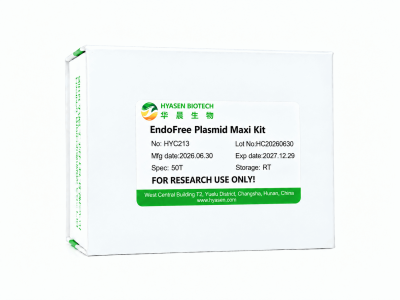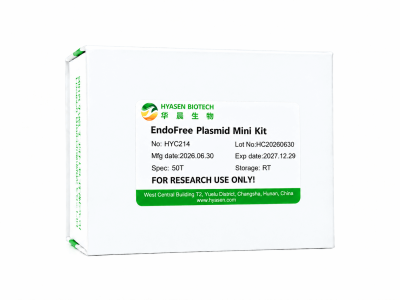
Product Overview
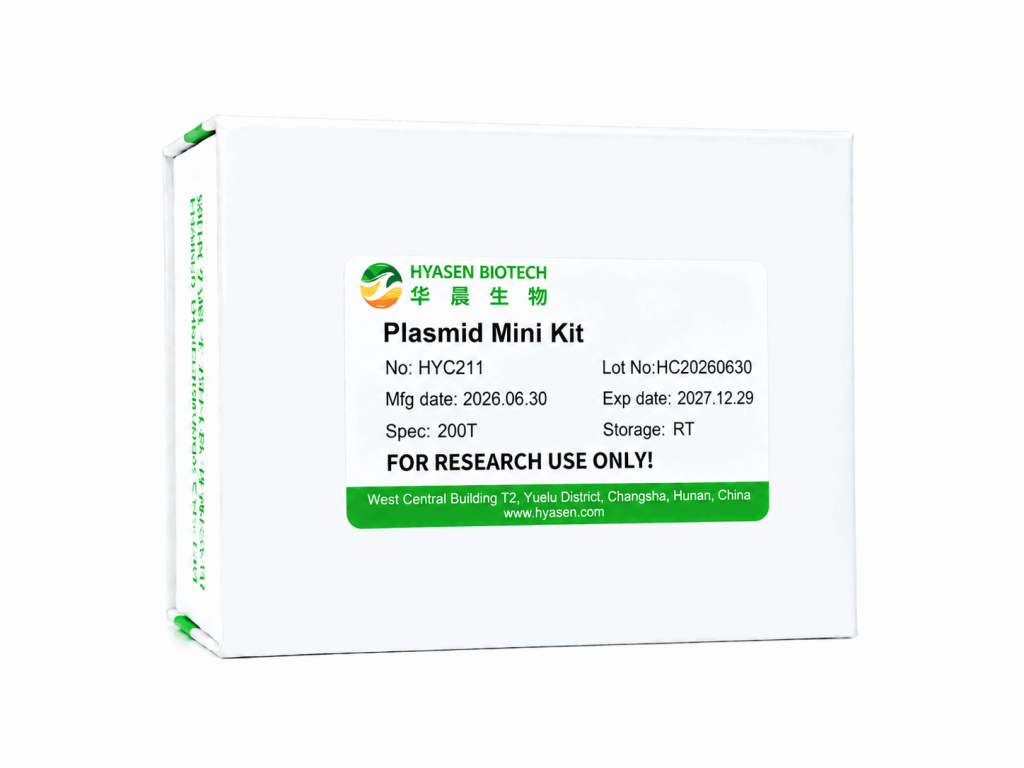
This kit offers a simple, fast, and efficient method for plasmid DNA extraction, combining conventional alkaline lysis with advanced silica membrane purification. Plasmid DNA can be isolated from 1–5 mL of bacterial culture in just 15 minutes, with a binding capacity of up to 30 μg per spin column. The streamlined protocol effectively removes proteins, RNA, and other contaminants.
Components
| Components | 200 T |
| Buffer P1 | 60 mL |
| Buffer P2 | 60 mL |
| Buffer N3 | 80 mL |
| Buffer PB | 35 mL |
| Buffer PW* | 25 mL |
| Buffer EB | 30 mL |
| RNase A (10 mg/mL) | 600 μL |
| Spin Columns DM with Collection Tubes | 200 |
Product Features
- Fast Processing: Extract plasmid DNA from multiple samples in just 15 minutes.
- High Yield: An advanced silica membrane efficiently and selectively binds plasmid DNA, with a binding capacity of up to 30 μg per spin column.
- High Purity: A specialized buffer system effectively removes proteins and other impurities, yielding plasmid DNA ready for sequencing, restriction digestion, PCR, and other downstream applications.
- Broad Compatibility: Suitable for plasmids of various sizes, including both high- and low-copy-number plasmids.
FAQ
Q1: How can I extract low-copy-number or large plasmids (>10 kb)?
For low-copy-number plasmids or large plasmids (>10 kb), increase the amount of bacterial cells and proportionally increase the volumes of Buffer P1, Buffer P2, and Buffer N3 to ensure complete cell lysis. Prewarm Buffer EB in a water bath at 65–70°C before elution. Extending the binding and elution incubation times may also improve recovery.
Q2: What should I do if precipitates form in Buffer P2, Buffer N3, or Buffer PB?
Warm the buffer in a 37°C water bath and mix until the precipitates have completely dissolved and the solution is clear. Do not shake Buffer P2 vigorously.
Q3: How can I prevent genomic DNA contamination in plasmid DNA preparations?
After adding Buffer P2, mix gently. Avoid vigorous shaking, which may shear genomic DNA. Do not allow this step to exceed 5 minutes, as prolonged incubation may damage the plasmid DNA.