Product Overview
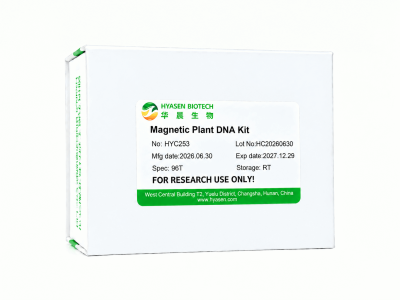
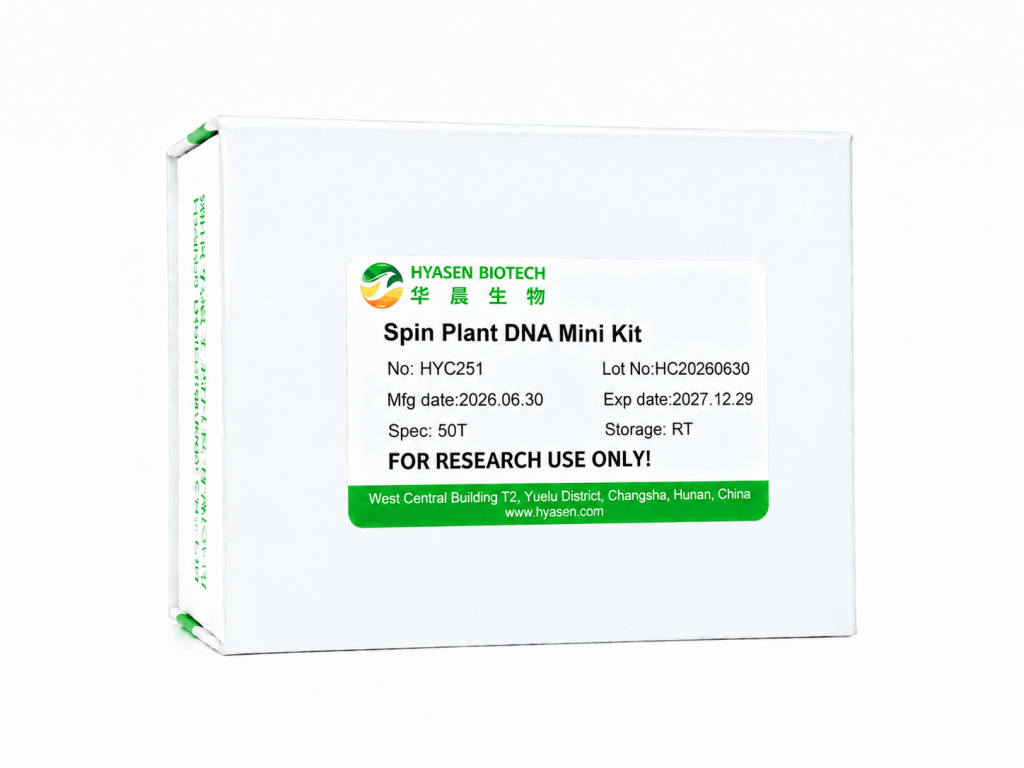
This kit combines DNA-binding spin columns with a specialized buffer system to isolate high-quality genomic DNA from a wide range of plant species. The simple workflow enables extraction in just 30 minutes. A specially formulated solution effectively precipitates and removes proteins, polysaccharides, phenolic compounds, and other impurities from plant samples. The kit delivers high yields of pure genomic DNA with consistent, reliable quality, suitable for downstream applications including PCR, quantitative PCR (qPCR), molecular marker analysis, and library preparation.
Components
| Components | 50T | 200T |
| Buffer GSL | 33 mL | 132 mL |
| RNase A | 300 μL | 1.2 mL |
| Buffer PSS | 12 mL | 48 mL |
| Buffer PA | 33 mL | 132 mL |
| Buffer GW1* | 13 mL | 52 mL |
| Buffer GW2* | 15 mL | 60 mL |
| Buffer TB | 15 mL | 60 mL |
| Spin Columns FS With Collection Tubes | 50 | 200 |
| Spin Columns DM With Collection Tubes | 50 | 200 |
Product Features
- Broad Sample Compatibility: Extracts high-purity genomic DNA from a wide range of plant species and tissues, including stems, leaves, flowers, fruits, and seeds.
- Safe Processing: An advanced buffer system eliminates the need for toxic reagents such as phenol and chloroform, making DNA extraction more efficient and safer.
- Excellent Performance: Delivers high-purity genomic DNA with excellent integrity.
- Simple Workflow: Obtain high-quality genomic DNA in just 30 minutes.
FAQ
Q1: What should I do if precipitates form in Buffer GSL?
Precipitation is normal. Warm Buffer GSL in a 37°C water bath until the precipitates have dissolved, then mix thoroughly before use. This does not affect performance.
Q2: Do all samples require incubation at 70°C?
No. For less challenging plant samples, disrupt the tissue, mix thoroughly by shaking, and incubate at room temperature for 10 minutes. Heating is not required. For more challenging samples, incubation at 70°C for 10 minutes is recommended.
Q3: How can I improve DNA yield from challenging plant samples, such as those rich in polysaccharides and polyphenols?
Adding 5% β-mercaptoethanol during sample pretreatment can effectively improve DNA yield.