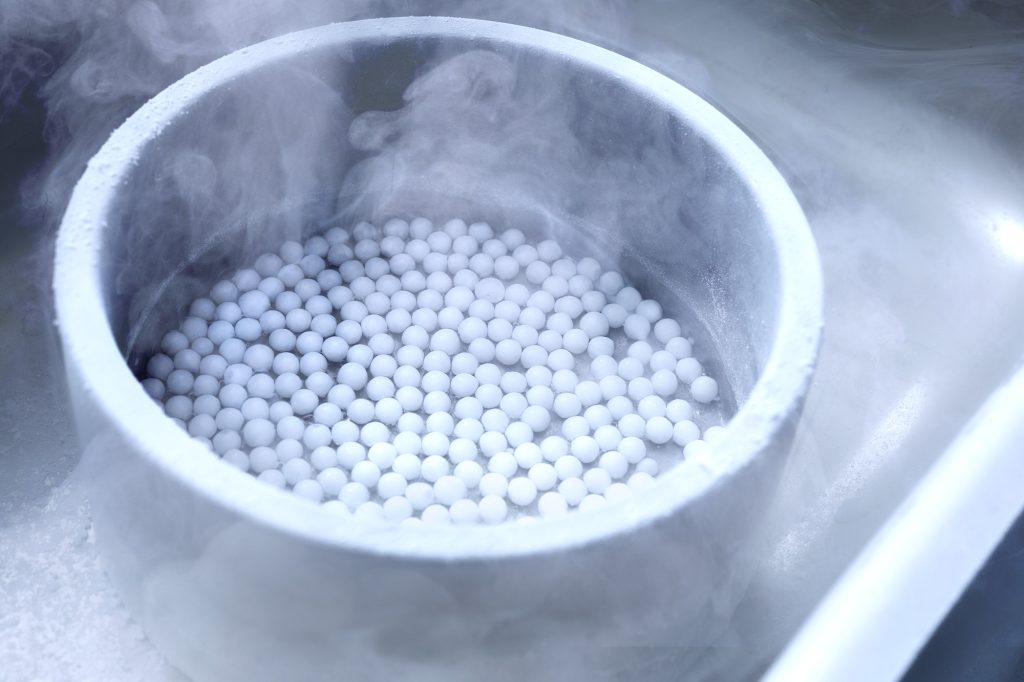
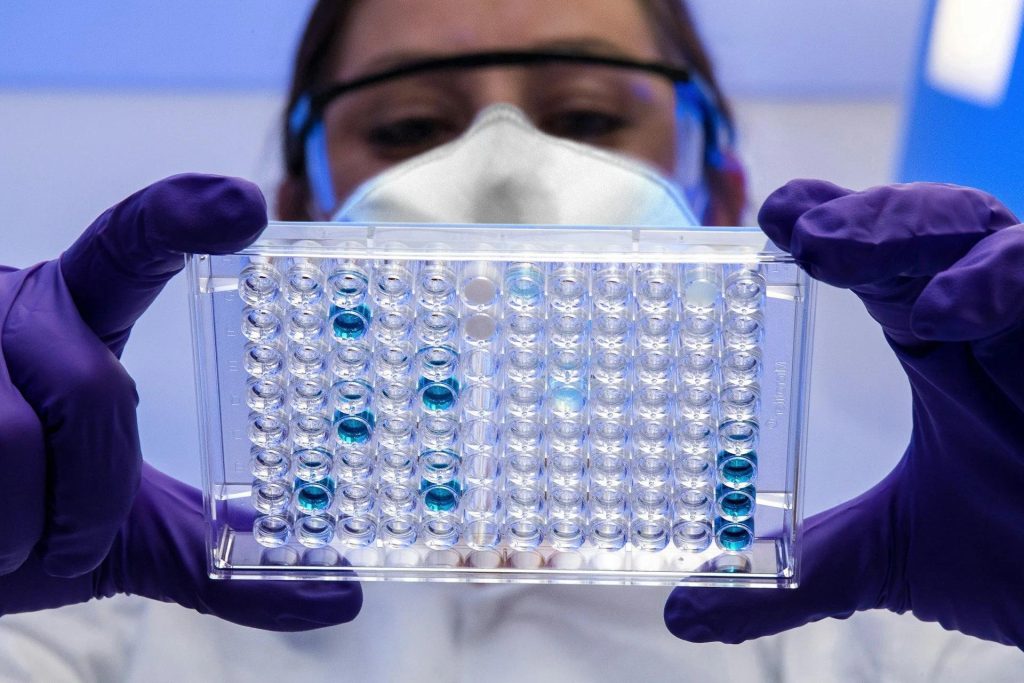
Lyophilized reagent cost reflects more than enzymes: it includes formulation development, freeze-drying, packaging, quality testing, and production yield. For PCR users, the useful comparison is the total cost per usable reaction, including shipping, storage, and waste.
Two suppliers can quote very different prices for what appears to be the same dry PCR mix. One quote may cover a standard formulation in a basic container. Another may include assay-specific development, individual reaction packaging, and stability studies. Until those differences are clear, comparing unit prices can be misleading.
That is where the development scope matters. For teams evaluating a dry PCR format, Hyasen’s molecular diagnostics solutions provide a starting point for discussing reagent selection and custom lyophilization. The formulation, packaging, testing, and deliverables should be agreed before treating a development proposal as a recurring production price.
Key takeaways
- Separate one-time development fees from recurring production charges.
- Compare quotes on the same reaction content, final volume, packaging, and testing scope.
- Ambient shipping is a potential saving only when the finished product supports the intended conditions.
- Count usable reactions and completed runs, including controls, repeats, and unused material.
Why Do Similar-Looking PCR Reagents Have Different Prices?
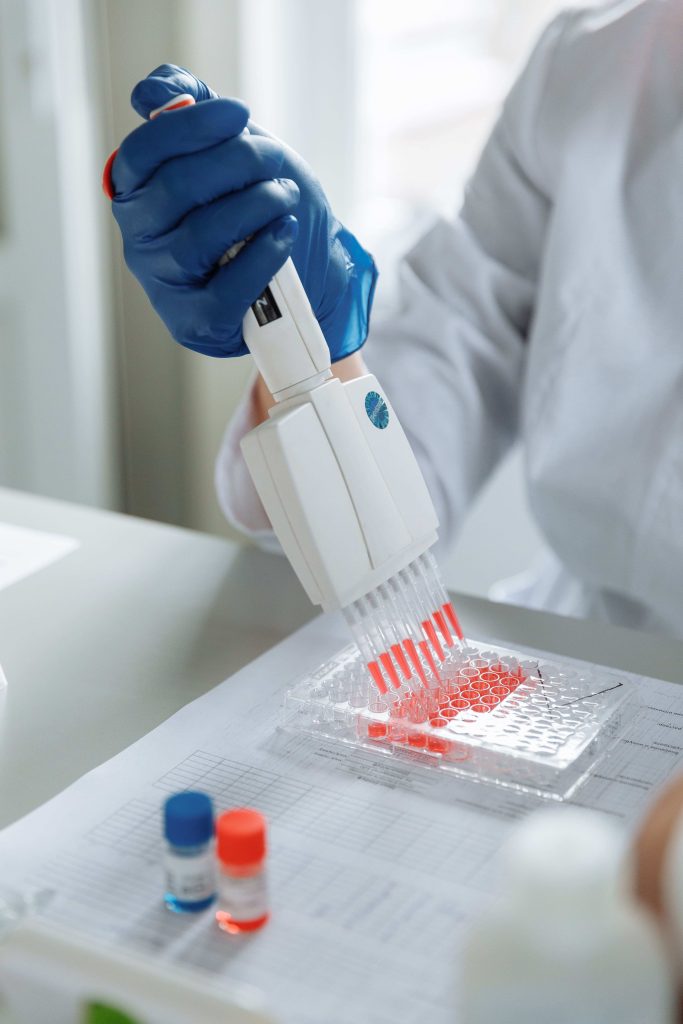
A dried bead, cake, or powder tells you little about what you are buying. The container may hold a general PCR master mix, a probe-based quantitative PCR formulation, or a complete assay with target-specific primers and probes.
Those are different purchasing scopes. A master mix can be suitable for many assays because the user adds the target-specific components. A complete assay brings more of the setup into the manufactured product, but also adds formulation and testing requirements.
Start by checking three things: what is included, how a reaction is defined, and what evidence comes with the product. A low price is useful only if the quoted material meets your actual workflow.
Also distinguish lyophilization-ready from lyophilized. A liquid reagent designed for drying still needs a manufacturing process and a finished-product specification. Its raw material price cannot be compared directly with the price of a packaged dry assay. Manufacturers explicitly distinguish reagents compatible with drying from finished dry products and custom services.[1,2]
What Goes Into Lyophilized Reagent Cost?
For budgeting, split the project into cost categories rather than asking for a single unexplained price. There is no universal percentage breakdown: the balance changes with formulation, production scale, packaging, and evidence requirements.
| Cost driver | What changes the quote | What to ask the supplier |
|---|---|---|
| Reaction ingredients | Enzyme system, detection chemistry, target-specific components | What is included in each quoted reaction? |
| Formulation development | Compatibility work and rounds of optimization | What work is covered by the development fee? |
| Drying and filling | Equipment time, fill format, loading, handling | What batch and container format does the quote assume? |
| Packaging | Primary container, barrier pouch, seals, desiccant where appropriate | Does the price include the complete protective pack? |
| Quality and stability | Release tests, storage studies, documentation | Which tests and reports are included? |
| Production yield | Filling losses, rejected units, testing and retained samples | Is pricing based on filled units or released units? |
| Supply arrangement | Order size, scheduling, customization, inventory | Which commitments are required for the quoted price? |
Use this breakdown to identify the decision behind each charge. A supplier may not disclose its internal manufacturing costs, but it should be able to explain the scope and assumptions of its quote.
Ingredients Matter, but the Whole Reaction Matters More
PCR, qPCR, and RT-qPCR have different requirements
Conventional PCR, quantitative PCR, and reverse transcription quantitative PCR do not use identical reaction systems. RT-qPCR starts with RNA and includes a reverse transcription step to make DNA. Probe-based assays also need detection probes; a quotation may include them or leave them for the customer to supply.
Multiplex assays detect several targets in the same reaction. That can save sample and handling steps, but it creates more combinations to evaluate during development.
Give suppliers the same bill of materials, meaning the same list of required ingredients. Ask them to identify exclusions rather than assuming that “PCR reagent” means a complete assay.
More enzyme is not automatically better value
If a dry formulation performs poorly, increasing enzyme content may seem like a quick fix. It also raises recurring material consumption. The underlying issue could instead involve the formulation, drying process, reconstitution, or sample compatibility.
Compare performance against an agreed liquid reference and a defined test panel. Before accepting a more expensive formula, ask what changed and what evidence supports that change.
The purchasing goal is a formulation that meets the assay requirements consistently, with a clear explanation of what each reaction contains.
Why Formulation Development Adds to the Upfront Bill
A liquid PCR mix that works well at the bench may need changes before it can be dried and stored successfully. Ingredients that stabilize enzymes in liquid form can complicate drying. NEB specifically identifies glycerol and other liquid formulation components as considerations when converting wet assays to dry formats.[3]
Developers may evaluate protective additives, adjust the buffer, or change how components are combined. A lyoprotectant is simply an ingredient that helps protect the reaction components during drying and storage. Choosing one is part of developing the complete formulation; adding a protective sugar alone does not establish a finished product.
The practical question is whether the dried material still works after manufacturing, storage, and reconstitution. A bead that looks good is not enough.
Ask for a staged development proposal with defined deliverables: an agreed liquid baseline, candidate dried formulations, evaluation results, and the criteria for moving to a pilot batch. Clarify how additional optimization rounds are charged and who owns the resulting formulation and data.
How Do Drying Time, Batch Size, and Yield Affect Pricing?
Equipment time is part of the production bill
Freeze-drying removes water under controlled conditions. The production cost therefore includes equipment occupancy, preparation, handling, maintenance, and the work needed to run a repeatable process.
A shorter cycle could improve production capacity. However, shortening the process without supporting data can create new problems. Residual moisture—the water left after drying—needs an acceptance range supported by the particular formulation and its stability results. There is no single moisture target for all PCR reagents.
Research on dried PCR mixes has examined both formulation and residual moisture as stability variables; its findings should not be turned into a universal release specification.[4]
Ask what production conditions support the proposed specification, rather than selecting a supplier solely because it advertises a faster drying cycle.
Larger orders help only when they improve usable output
A small development batch carries setup and handling work across relatively few units. A larger production run may spread those costs more efficiently. The saving depends on equipment loading, filling capability, scheduling, and the number of units that pass release.
For lyophilized reagent cost, released output is more informative than the number of containers filled. Material used for testing, retained samples, filling losses, and rejected units all affect the economics.
Ask suppliers to quote development, pilot, and routine production separately. For routine supply, request price tiers tied to realistic demand and clarify whether samples and expected manufacturing losses are already included. Avoid buying more than you can use within the supported shelf life just to reach a lower price tier.
Packaging and Stability Evidence Are Part of the Product
Packaging protects the investment in the formulation
A dry reagent still needs protection during storage and use. The primary container, closure, barrier packaging, and handling instructions work together. Packaging choices should follow the product’s stability needs and the intended workflow.[3]
For example, individual reaction packs and a multi-use vial may create different material costs and different patterns of exposure after opening. Neither format is automatically cheaper once unused material and handling are considered.
Compare the complete pack, including any specified barrier pouch and desiccant. Ask whether stability claims apply to an unopened pack, an opened container, or material after reconstitution. Those conditions should be explicit.
Release testing and shelf-life studies answer different questions
Release testing asks whether a manufactured batch meets its specifications. Stability studies assess whether the product continues to meet requirements over time under defined conditions.
A quote may include routine batch release but exclude longer-term studies or transport evaluation. Another may bundle those activities into the project fee. Ask for the test list and reporting scope before comparing totals.
For qPCR, useful functional evaluation can include Cq, the cycle at which fluorescence crosses a defined threshold, alongside detection performance and repeatability. A Cq shift alone does not identify the cause: template, setup, instrumentation, and reaction conditions also need review.
Agree on acceptance criteria relevant to the intended assay. Appearance and reconstitution observations can support evaluation, but they do not replace functional testing.
Are Lyophilized PCR Reagents Cheaper Than Liquid Reagents?
Sometimes, when the workflow savings justify the additional manufacturing work. Dry formats can support simpler storage and transport, but the actual conditions must be supported for the finished product.[1]
A laboratory with dependable cold storage, frequent reagent use, and little waste may find liquid reagents economical. A distributed research program may place more value on simplified shipping or predispensed reactions. Run both scenarios using your own purchasing and operating records.
| Comparison point | Liquid format: check | Dry format: check |
|---|---|---|
| Purchase scope | Bulk mix, aliquots, or complete assay | Master mix or complete assay; development included? |
| Transport | Required temperature control and receiving costs | Supported shipping conditions and packaging |
| Storage | Space, monitoring, inventory turnover | Labeled conditions and expiry management |
| Setup | Aliquoting, mixing, operator time | Reconstitution and remaining additions |
| Waste | Unused aliquots, expiry, handling losses | Unused doses, opened-pack limits, expiry |
| Quality support | Release documents and change notification | Release documents, stability evidence, change notification |
A useful budgeting calculation is:
Cost per usable reaction = total relevant cost ÷ reactions available for use within specification.
For a manufacturer, include purchased reagents, applicable development charges, inbound shipping, internal testing, handling, storage, and discarded material. Allocate development charges across the volume you realistically expect to use, and show that assumption separately.
For a research laboratory, also calculate cost per completed sample result. Controls and repeat runs consume reactions without increasing the number of samples completed. Apply the same counting rules to each option. This avoids making one format look cheaper simply by excluding costs counted for the other.
How to Lower Costs Without Creating More Rework
Start with requirements you can defend. Overly ambitious specifications can add development and testing work without improving the intended application.
- Define the storage need. Describe the actual shipping route, storage environment, and expected inventory period.
- Choose the format around use. Match individual doses or multi-use containers to run size and opening frequency.
- Settle the assay before routine manufacture. Late changes to primers, probes, buffers, or containers may require additional evaluation.
- Standardize where practical. A shared container or packaging format can simplify purchasing and production, subject to validation.
- Use realistic forecasts. Discuss scheduled releases or smaller deliveries when a large order would create expiry risk.
- Keep evidence proportional to the intended use. Agree on required quality documents, functional testing, and stability support.
Cutting a test or removing a packaging layer is not a saving until you understand the consequence. Ask which change reduces cost, what evidence supports it, and whether the product specification changes.
What Should You Send With a Quote Request?
An organized request helps suppliers price the same project. Include the assay type, required reaction content, final reaction volume, container preference, forecast demand, and storage and shipping needs.
Also specify what remains outside the dry reagent: sample, primers, probes, diluent, or other additions. If the workflow involves both preparing a stock solution and setting up reactions, distinguish reconstitution volume from final reaction volume.
Use the following checks when a proposal is difficult to interpret:
| Problem | Possible cause | What to ask |
|---|---|---|
| One quote is much lower | Different ingredients, pack, or testing scope | Can you itemize inclusions and exclusions? |
| Unit price changes sharply with volume | Setup allocation, order minimums, or loading assumptions | What batch and annual commitments apply? |
| Development appears inexpensive | Optimization rounds or studies are excluded | What are the deliverables and additional-work rates? |
| Ambient storage is stated without detail | Conditions and supporting evidence are unclear | What temperature, duration, packaging, and data apply? |
| Delivered cost exceeds the quote | Freight, testing, diluent, or packaging is additional | What is the total delivered scope? |
Request a written specification and an evaluation plan before committing to routine supply. Clarify change notification, lead time, acceptance procedures, and responsibility for out-of-specification material in the commercial agreement.
Where Hyasen Fits Into a PCR Drying Project
These choices become easier when reagent selection and the intended finished format are discussed together. Hyasen’s overview of integrated lyophilization development describes the progression from research work toward production.
For the starting reagent discussion, relevant catalog entries include FastAmpli Probe qPCR Premix plus-UNG, HYA423 and FastAmpli RT-qPCR Premix plus-UNG, HYA432. These are listed here as qPCR and RT-qPCR reagent options, respectively. Their inclusion does not establish that either catalog formulation is a finished lyophilized product or has been validated for your drying process.
For a custom project, confirm the exact starting material, formulation changes, finished format, evaluation scope, and supply specification with the technical team.
Frequently Asked Questions
Why do lyophilized PCR reagents cost more upfront?
The upfront quote may include formulation development, drying-process development, packaging evaluation, and stability work. Separate those charges from recurring manufacturing costs before comparing suppliers.
Does freeze-drying mean a PCR reagent can ship at room temperature?
No. Shipping conditions must be supported for the finished formulation and packaging. Ask for the applicable temperature range, duration, and evidence before removing cold-chain provisions.
What is the difference between lyophilization-ready and lyophilized?
Lyophilization-ready describes a reagent intended for a drying workflow. Lyophilized describes material that has already been freeze-dried. The final product still needs defined packaging, handling instructions, and performance specifications.
Does a larger order always reduce the true cost?
No. A larger order may reduce the quoted unit price, but expiry, storage, and unused inventory can offset the saving. Compare quantities you expect to use within the supported shelf life.
Should primers and probes be included in the dried reagent?
That depends on the workflow. Including them can reduce setup steps, while supplying them separately can preserve flexibility. Compare development work, manufacturing scope, and routine handling for each option.
What should kit manufacturers compare besides price?
Compare formulation scope, released output, packaging, functional acceptance criteria, stability evidence, documentation, change notification, and supply commitments. Ask each supplier to quote against the same written requirements.
Conclusion
The useful way to assess lyophilized reagent cost is to connect the quoted price to the formulation, production process, protective packaging, evidence, and usable output. Then compare that total with the costs and practical demands of your existing workflow.
Looking for PCR reagents or a manufacturing partner? Contact Hyasen to discuss samples, technical specifications, bulk supply, OEM/ODM, and customized solutions. Share your assay type, reaction format, expected demand, and storage requirements to help define the proposal.
References
- Thermo Fisher Scientific. Air-Drying and Lyophilization for Assay Stabilization and Sustainability. Manufacturer resource.
- New England Biolabs. Solutions for Lyophilization. Manufacturer resource.
- Loeb J, Tanner N, Lee M. Enhancing Molecular Diagnostics in Regulated Markets with Lyophilized Assays. New England Biolabs. Manufacturer technical article.
- Xu J, et al. Transferable, easy-to-use and room-temperature-storable PCR mixes for microfluidic molecular diagnostics. Talanta. 2021;235:122797. DOI: 10.1016/j.talanta.2021.122797.